Mattress toppers are designed to enhance existing sleep surfaces by adding a layer of comfort, support, and temperature regulation. This category focuses on materials, thickness, and construction that influence pressure relief, surface contouring, and overall sleep quality. Understanding these elements helps evaluate compatibility with different bed systems, including adjustable bases and varying mattress firmness levels.
A leading example is the Hypodown® Bed, notable for breathable, full-body comfort that supports spinal alignment while reducing motion transfer. Its design emphasizes loft and conforming properties without sacrificing durability, making it suitable for sleepers who seek a softer top layer without compromising core support. Material science behind Hypodown® is central to its functional benefits.
Key features commonly found in mattress toppers include foam density, memory foam vs latex textures, and quilted or breathable cover fabrics. The choice of thickness, ranging from lighter to more substantial, affects pressure distribution across hips, shoulders, and back. For pets and shared sleeping spaces, toppers that minimize wear and resist indentations offer longer-term usability.
In addition to comfort, toppers can influence temperature management through breathable fabrics and gel-infused foams. For users with sensitive skin or allergies, selecting hypoallergenic covers and naturally derived materials supports healthier sleeping environments. Compatibility with existing bed systems, including adjustable bases, ensures stable support and proper elevation alignment.
Overall, mattress toppers like the Hypodown® Bed illustrate how targeted upgrades can refine sleep surfaces by combining contouring, support, and breathability. Understanding material properties, core construction, and maintenance needs helps users assess long-term comfort, durability, and usability within diverse bedding setups and personal preferences.
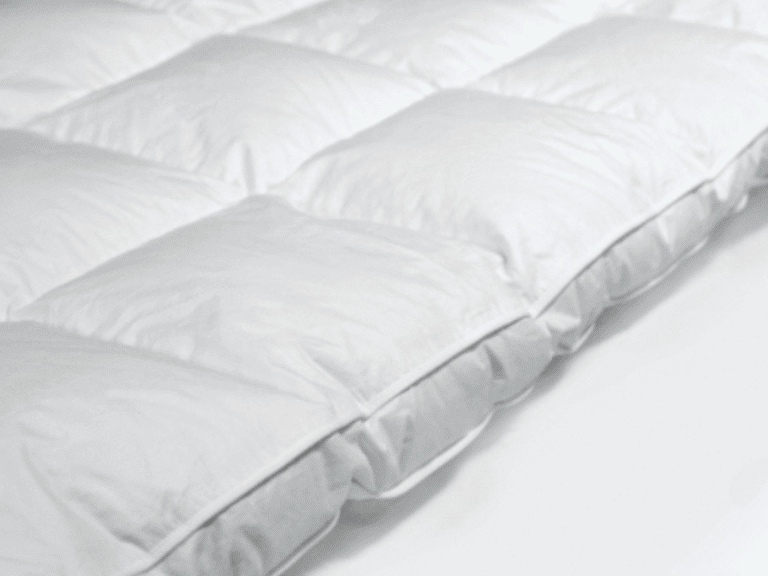 Mattress Toppers