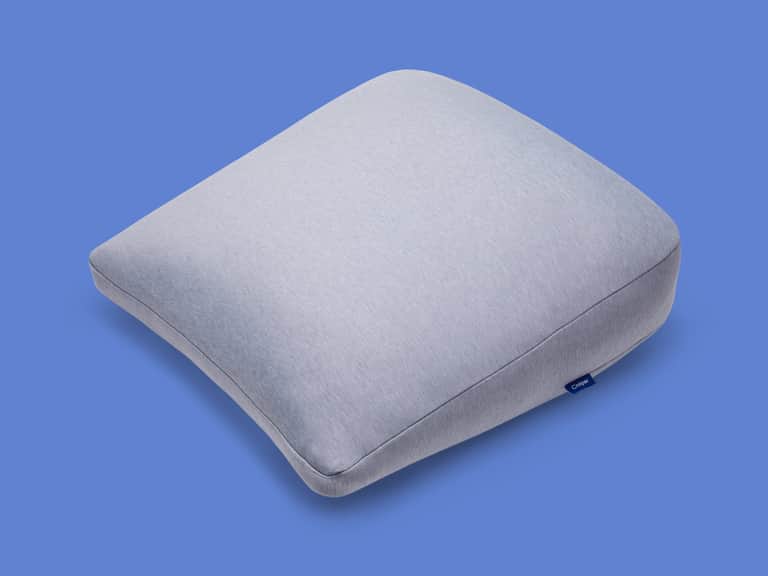
Pillows are essential components for comfort, support, and sleep quality, offering varying levels of firmness, materials, and contouring to align the head, neck, and spine. When evaluating pillows, consider filling type, loft, and fill weight, as these influence pillow height and pressure distribution. For informed selection, understanding how materials interact with Sleep posture improves overall rest and reduces neck strain.
Common pillow fillings include memory foam, latex, down-alternative, and traditional feather. Each provides distinct support profiles: memory foam conforms to contours for targeted support, while latex offers buoyant resilience and breathability. In addition, pillow covers made from cotton, bamboo, or synthetic blends impact moisture wicking and durability during nightly use.
In the context of bed design and ergonomic setup, pillows complement options like adjustable beds, platform bed frames, and various mattress types such as innerspring or organic mattresses. A well-matched pillow enhances alignment on different foundations and supports tranquil transitions between sleeping positions throughout the night.
Backrest Pillows represent a specific category within sleep accessories designed for upright or semi-reclined support. These pillows feature contoured shapes, supportive cores, and adjustable height or angles to relieve shoulder tension, assist reading or watching television, and provide comfortable postures for recovering or lounging in bed.
Key characteristics to assess include firmness level, contour design, and compatibility with sleep surfaces and room conditions. For users with allergies or sensitive skin, consider hypoallergenic covers and natural or certified materials. Understanding these factors helps optimize daily rest, recovery routines, and long-term comfort across diverse sleeping environments.
 Bedding