Exploring Sleep Hygiene: Practical, Evidence-Based Tips for Better Rest
A nature-informed, evidence-driven exploration of daily routines, environmental adjustments, and the subtle behaviors that shape the quality of our sleep. This piece weaves timeless wisdom with modern research to offer actionable guidance without endorsing specific products.
Introduction: Why Sleep Hygiene Matters
In the quiet pre-dawn hours, when the world holds its breath, sleep writes the first and last chapters of our day. Sleep hygiene is not a single trick or a hidden product; it is a constellation of habits, rhythms, and surroundings that nurture the brain's nightly restoration. From the cadence of a consistent bedtime to the gentle hum of a dimly lit room, these small measures accumulate into meaningful shifts in mood, memory, and health.
The approach presented here borrows from a long line of investigators and observers who have chronicled the science of sleep across centuries. In the spirit of National Geographic-style storytelling, we journey through time, drawing lessons from pioneers who paved the way for today’s sleep science, and we translate those lessons into practical steps you can apply tonight.
Evidence-Based Tips for Better Sleep
The tips that follow are grounded in sleep research and widely accepted guidelines from reputable health organizations. They are designed to be accessible, non-prescriptive, and adaptable to varied living situations—whether you are a student, a parent juggling multiple schedules, or a professional seeking sharper focus.
1) Consistent Sleep Schedule
Aim to go to bed and wake up at the same times every day, including weekends. This regularity strengthens your circadian rhythm, making it easier to fall asleep and wake naturally.
Set a nightly wind-down cue about 30–60 minutes before bed.
Gradually shift bedtime by 15 minutes if needed, not a full hour.
2) Light Exposure Management
Light is the strongest zeitgeber for circadian alignment. Seek bright morning light to anchor your day and minimize blue-light exposure in the evening.
Spend time outdoors or by a sunny window after waking.
Dim screens and use warmer lighting after sundown.
3) Caffeine and Alcohol Timing
Caffeine and alcohol influence sleep architecture. Avoid caffeine for at least six hours before bedtime, and limit alcohol in the hours preceding sleep to reduce disruptions.
Note your sensitivity: even small amounts can affect sleep.
If you drink, do so earlier in the evening and in moderation.
4) Wind-Down Routines
A predictable, soothing pre-sleep routine signals the brain that rest is near. Activities like light stretching, reading a physical book, or meditative breathing can ease transition to sleep.
Avoid stimulating tasks or late-night screen time.
Practice gentle breathwork for 5–10 minutes before bed.
5) Bedroom Environment
A calm, cool, dark room supports deep sleep. Temperature, noise, and darkness play crucial roles in sleep depth and continuity.
Keep the room between 60–67°F (15–19°C) for many people.
Use blackout curtains and consider white noise or nature sounds if external disturbances are present.
6) Sleep Position and Ergonomics
Sleep posture supports spinal alignment and reduces discomfort. The alignment of neck, shoulders, and hips matters as much as the firmness of your mattress.
Choose a pillow height that keeps the neck in a neutral position.
Consider light elevation for legs if a physician recommends improved circulation.
These practices, while simple in concept, are most effective when adopted consistently. The science behind them draws from decades of clinical and observational studies on sleep architecture, circadian biology, and behavioral health. The aim is not to replace medical advice but to empower everyday decisions with credible, accessible information.
Key Figures Across Time: A Short Tour
Sleep science has been enriched by voices from different eras. Here are three individuals whose ideas bridged time and discipline, each offering a distinct lens on rest.
Hippocrates (c. 460–370 BCE)
The father of medicine emphasized balance and regimen. In his advice, sleep appeared as part of a holistic strategy for health, linking daily rhythms with mental and physical restoration. His insights framed sleep not as luxury but as a functional pillar of well-being, a principle echoed in modern sleep hygiene practices that stress regular routines and recovery.
Nathaniel Kleitman (1895–1969)
A pioneer in sleep research, Kleitman’s laboratory observations laid the groundwork for understanding circadian rhythms and sleep stages. His work, which explored how daylight patterns shape sleep timing, resonates with today’s emphasis on circadian alignment and the importance of light exposure.
Rita Levi-Montalcini (1909–2012)
Though renowned for discoveries in neurobiology, Levi-Montalcini’s contributions illuminate how sleep and neuroplasticity intersect. Her broader scientific ethos—precision, curiosity, and the interdependence of physiology and behavior—echoes in modern sleep-health frameworks that link sleep quality to cognitive and emotional functioning.
A Practical Case: Integrating Sleep Hygiene with Everyday Living
Consider a student, a parent, and a remote worker. Each person faces unique schedules and environmental constraints. By applying the core sleep-hygiene principles—regular bedtimes, mindful light exposure, a wind-down ritual, and an ergonomically supportive sleep setup—each can influence circadian alignment and daytime vitality without relying on commercial products.
Student: Prioritize morning light, a fixed bedtime, and a quiet room. Use a printed checklist to track sleep hours for a month and observe improvements in concentration and recall.
Parent: Create a predictable evening routine, coordinate family wind-down times, and manage caffeine intake to preserve sleep continuity for both adults and children.
Remote Worker: Use daylight scheduling to anchor the workday, and allocate a calm, dark space for sleep to protect circadian integrity while balancing work-from-home demands.
The beauty of sleep hygiene lies in its universality. The same principles that help a busy professional wake refreshed also offer solace to a student cramming for exams or a parent juggling caregiving. The aim is not a perfect night's sleep every night but a steadier baseline from which restoration can occur.
A Practical, Non-Intrusive Tool: The Dog Bed as a Metaphor and a Practical Illustration
While this article centers on human sleep hygiene, the idea of environments designed for rest extends beyond us. Consider The Dog Bed, a product that blends memory foam with supportive bolsters and a washable cover. Its design exemplifies how sleep-supportive surfaces—whether for humans or pets—prioritize ergonomic shape, easy maintenance, and adaptability to daily life.
The Dog Bed: A Case in Ergonomic Design
The Dog Bed illustrates how thoughtful design creates a restful micro-environment. It blends memory foam with bolsters to cradle joints, while a washable cover ensures longevity in daily use. This product serves as a reminder that restful spaces—human or animal—benefit from attention to contour, material quality, and ease of care.
Note: Visual representations of this product are included in the display image section as requested.
In applying sleep hygiene to the home, we adopt a mindset of stewardship toward sleep. The goal is to shape environments, routines, and habits that allow the body and mind to recover with dignity and efficiency. This approach honors the science of sleep, respects individual variation, and invites readers to experiment thoughtfully—keeping notes, seeking credible sources, and adjusting practices as needed.
If you’d like, we can map a personalized sleep-hygiene plan based on your schedule and environment, or curate a brief, evidence-based reading list to deepen your understanding of circadian biology and sleep health.
Supportive memory foam and soft bolsters cradle naps, while a durable, washable cover makes daily care easy. Built for dogs of all sizes, it stays fresh and comfortable between washes, so your pup rests happily and you worry less.
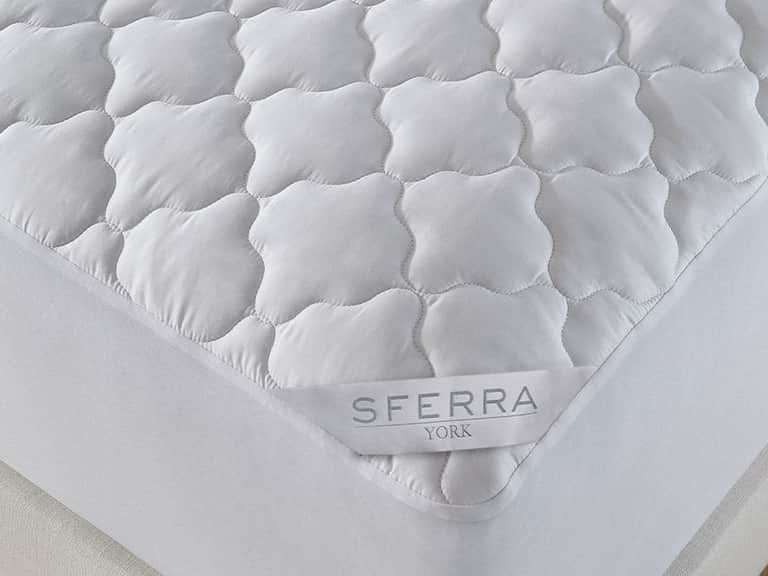
Experience cloud-like loft and balanced comfort with our cotton-fill mattress pad, delivering breathable softness, a smooth sateen surface, and stable loft wash after wash for a luxurious, restful night.
Experience timeless Vermont craftsmanship with a solid hardwood bed—natural Cherry, Maple, or Walnut, precision joinery, and stainless steel cable accents. Eco-friendly hand-rubbed oil finish enhances warmth and durability for a calming, lasting centerpiece.