Sleep science & materials
Wool in the Bedroom: How the Natural Fiber Manages Temperature and Moisture
A wool comforter does not simply make a bed warmer. Its fibers interact with still air, body heat, and water vapor in ways that can soften changes in the small climate beneath the covers. How well that works depends on the wool, the construction, the other layers, and the person sleeping there.
A bedroom has its own weather. Heat gathers beneath a comforter; moisture leaves the body and moves into fabrics; a cool draft slips across the room. During the night, these conditions shift with the season, the thermostat, the sleeper’s metabolism, and even the number of layers on the bed. Bedding sits at the boundary between body and room, shaping how those changes are felt.
Wool has a long history as a material for keeping people comfortable in variable conditions. In bedding, it appears in comforter fill, mattress pads, blankets, and sometimes upholstery. Its appeal comes from a combination of properties: the fibers can hold air, take up water vapor, and release moisture over time. Those traits can help moderate the feeling of warmth and dampness, but they do not make wool a climate-control system. A wool layer cannot guarantee cool sleep, prevent night sweats, or replace breathable bedding and a suitable room temperature.
Understanding wool bedding begins with the fiber itself—and with a useful distinction: a material’s reputation is only part of the story. Fill amount, fiber preparation, stitching, cover fabric, and care all influence what a comforter feels like in everyday use.
The structure behind wool’s feel
Wool fibers are not smooth rods. Their surface has overlapping scales, and many fibers have a natural waviness, or crimp. The details vary with the animal, breed, and processing. In a bedding fill, the fibers’ shape can help create a springy, irregular mass with spaces between strands. Those small spaces hold still air, and air is an effective insulator when it is not continually displaced.
That trapped air helps explain why wool can feel warm without necessarily feeling dense or sealed. A comforter’s insulating performance depends on how much fill it contains and how evenly that fill is distributed, as well as on the size and construction of the stitched compartments. A lofty comforter with substantial fill may feel much warmer than a lightly filled layer, even if both are labeled wool.
Wool’s relationship with moisture is equally important, though often oversimplified. Wool can absorb water vapor into its fiber structure while still feeling relatively dry at the surface. This is different from saying it eliminates moisture. It does not remove perspiration from a bedroom or make a wet comforter comfortable. Rather, under appropriate conditions, wool can take up some moisture vapor and later release it as the surrounding air becomes drier. The rate and extent depend on humidity, airflow, fabric construction, and the amount of wool present.
In practical terms, a wool-filled layer may feel less clammy than a poorly ventilated layer that holds moisture at the surface. But a sleeper who sweats heavily, sleeps in a humid room, or uses a tightly layered bed may still feel overheated or damp. Fiber properties matter; so does the wider environment.
Temperature regulation is not the same as cooling
The phrase “temperature regulation” can suggest that a comforter actively senses the body and changes its warmth. Wool does not work that way. It is passive insulation. It slows heat movement by holding air, while its moisture behavior may influence how the bedding feels as humidity changes. The result can be a buffered, steady sensation for some sleepers—not a built-in cooling mechanism.
This distinction matters when comparing wool comforters with other fills. Down, for example, can also create substantial loft and trap air, with warmth influenced by fill quality, construction, and quantity. Synthetic fills vary widely; some are designed for lightness or easier care, but their moisture and airflow characteristics depend on the particular fiber and fabric. Cotton is often used in blankets and batting, while latex and foam are more commonly found in mattresses and pillows. Each material behaves differently, and no category has a single, universal performance profile.
For an informed comparison, look beyond a label such as “natural,” “breathable,” or “all-season.” Ask what the fill is, how much is used, whether it is washable, what fabric encloses it, and how the item is stitched. A wool comforter with a dense cover and tightly packed fill may feel quite different from a lighter one with more open construction. The cover is part of the system: a fabric that limits airflow can change the sensation of the fill inside.
A quick way to assess a wool layer
- Check the warmth description: Look for a clear seasonal or warmth rating, and remember that these labels are not always standardized across makers.
- Look at construction: Stitched compartments or quilting can help keep fill distributed, but compartment size and fill amount influence how warm and lofty the layer feels.
- Read the cover and care details: Shell fabric, washing instructions, and drying requirements affect everyday use as much as the fill does.
- Consider the whole bed: Sheets, mattress protectors, pajamas, room humidity, and heating or cooling all contribute to comfort.
Choosing warmth for your season and sleep habits
The right warmth level is personal. Someone who runs cold, lives in a chilly home, or prefers a substantial covering may appreciate a warmer wool comforter. A person who sleeps hot or lives in a mild climate might prefer a lighter fill, a blanket that can be folded back, or a system of separate layers. Shared beds add another variable: two sleepers can experience the same bedding differently.
Rather than trying to find one comforter that suits every night of the year, consider how easily you can adjust the bed. Layering gives more control than relying on a single heavy covering. A light blanket can be added or removed without changing the mattress or the entire bedding set. In colder months, a warmer comforter may be useful; during transitional seasons, a lighter layer may be enough.
Pay attention to your own pattern over several nights. Do you wake because your shoulders feel cold, or because your torso feels too warm? Do you feel clammy, or simply overheated? Is the bedroom warm at bedtime but cooler before dawn? These observations help distinguish a bedding issue from a room-temperature or sleepwear issue. Small changes—adjusting the thermostat, changing a sheet, or removing a top layer—can reveal more than changing several elements at once.
Also consider the room’s humidity and ventilation. Moisture that leaves the bedding has to go somewhere. In a damp room with little air exchange, any textile may dry slowly. Regularly airing the bed and maintaining comfortable indoor conditions can support the performance and longevity of natural fills. This is especially useful in humid climates or rooms where windows remain closed for long periods.
Wool fill, wool fabric, and other bedroom uses
Not every wool product has the same purpose. A wool-filled comforter is designed to provide a layer of insulation. A wool blanket offers a different weight and drape, while wool upholstery is primarily a surface material on furniture. These uses may bring wool into the bedroom, but they should not be treated as interchangeable evidence about how a comforter will perform.
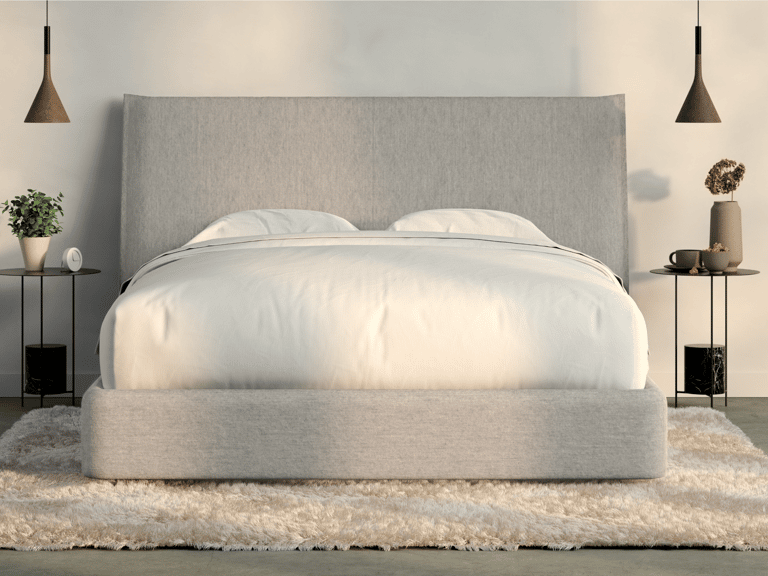
For example, the Haven Bed Frame uses felted wool upholstery. That detail describes the frame’s covering—not a wool sleep layer or a comforter’s temperature and moisture behavior. It is a useful reminder to check where a material is used and what role it plays before drawing conclusions about comfort.
The same care applies to claims about natural or hypoallergenic materials. Wool may suit some people who prefer natural fibers, but individual sensitivities vary. A person can react to wool, dust, detergents, or other components of a bedding product. The cover and cleaning method matter, too. If a particular fiber causes irritation, discontinue use and consider advice from a qualified health professional when symptoms persist.
Care: keeping the fiber in good condition
Wool bedding often needs more careful handling than a standard machine-washable synthetic comforter. Care instructions vary by product, so the label should take priority over general advice. Some items may be spot-cleaned or aired, while others may be washable under specific conditions or require professional cleaning. Heat, agitation, and unsuitable detergents can damage wool fibers or cause shrinking and felting.
For routine upkeep, air the bedding when conditions are dry and follow the manufacturer’s directions for refreshing it. If a spill occurs, address it promptly without soaking the fill unless the care instructions allow washing. Make sure a cleaned item dries thoroughly before it is stored or returned to the bed. Persistent dampness can affect comfort and encourage unwanted odors.
Storage is another part of care. Put wool layers away only when fully dry, and use a clean, dry storage space with enough protection from dust and pests. Avoid compressing a lofty comforter for long periods if the care guidance recommends preserving its loft. When in doubt, consult the maker’s instructions rather than improvising with a hot dryer or aggressive wash cycle.
What wool can—and cannot—do for sleep comfort
A comfortable bed is a network of interacting materials. Wool may provide insulation and help buffer moisture, but the sleep experience also depends on the mattress, sheets, clothing, room conditions, and a person’s own physiology. A mattress pad may alter the surface feel; a pillow affects head and neck comfort; the comforter determines how much warmth is held around the body. One material cannot solve every discomfort.
Wool should not be mistaken for a treatment for insomnia, night sweats, breathing disorders, or any other medical condition. If repeated overheating, heavy sweating, or disrupted sleep is new, severe, or persistent, bedding adjustments may not address the cause. A healthcare professional can help assess symptoms and determine whether further evaluation is appropriate.
For everyday decisions, the most reliable approach is modest and observational. Choose a warmth level suited to your room and preferences. Check fill and cover details, not just the word “wool.” Keep the bed ventilated, follow care instructions, and make changes one at a time. Over a run of nights, notice whether you feel more settled, too warm, or still damp. Comfort is not a property printed on a label; it emerges from the meeting of material, climate, and habit.
Frequently asked questions
Does a wool comforter keep you cool?
Not in the active sense. Wool is an insulating fiber, and its moisture behavior can contribute to a comfortable, less clammy feel for some people. A comforter that is too warm for the sleeper or room can still cause overheating. Fill amount, shell fabric, room conditions, and personal preference all matter.
Is wool bedding suitable in summer?
It can be, depending on the product and climate. A lightweight wool layer may suit a cool summer night, while a heavier comforter may feel excessive in a warm bedroom. Look for clear information about warmth and construction, and consider using a removable or lighter layer for flexibility.
Does wool absorb sweat?
Wool can absorb water vapor, but that does not mean it will manage every amount of perspiration or stay comfortable when saturated. Ventilation, humidity, the bedding’s cover, and the amount of moisture produced all affect the outcome.
How do I know whether wool is right for me?
Consider your usual sleep temperature, the climate in your bedroom, your sensitivity to fibers, and your willingness to follow product-specific care instructions. If possible, assess the warmth and weight of the item before committing, and make changes to bedding gradually so you can judge the result.
A final measure of comfort
Wool’s particular combination of air-trapping structure and moisture interaction makes it an intriguing bedding fiber, but its performance is never separate from its construction or surroundings. The name on the label offers a starting point, not a guarantee. A thoughtfully chosen wool layer can contribute to a bed that feels steady and comfortable across changing conditions; the best choice is the one that suits the sleeper, the season, and the room.